The Method of the
Running Wash
the garden finds its true location.
Do not fight the valley.
Teach the brush to lift.
There comes a moment in every watercolor when the gum arabic surrenders to the water, and the pigment remembers it was once dust. I learned this at 04:30 in Missoula, watching a junco's shadow dissolve into the wet paper. The line I drew was a lie; the valley the water chose was true.
This is not a technique of control. It is a technique of trust. You prepare the ratio, you load the brush, and then—you let go. The paper decides where the bloom will land. Georgia O'Keeffe understood this: she didn't paint the desert; she let the desert paint through her. The same is true of watercolor on cold-pressed paper. The grain is already a map.

Gum arabic, harvested from acacia tears in Sudan, is not glue—it is memory. It holds the pigment in suspension until the water says otherwise. Distilled water carries no mineral weight; it arrives empty, ready to choose. And the pigment—ground from huckleberry skins picked at 04:00 when the frost still sings—contains the mountain's first light. I use the same ratio John Coltrane used for silence in "Alabama": the space between notes is the music itself.
Mix them in a wooden mortar. Stir counter-clockwise seven times. Count the breaths. On the eighth, the mixture becomes translucent, and you know the valley is waiting.
- Wet the paper. Load a flat wash brush with clean distilled water. Paint the entire sheet until the surface shines like a still pond. The paper must be wet but not pooling—towel the edges gently if beads form. This takes three minutes.
- Prepare the mixture. In your mortar, combine gum arabic and distilled water in the ratio above. Add pigment last. Stir until the mixture is translucent—like huckleberry juice thinned with morning light.
- Load the brush. Dip a round sable (#8 or #10) until it weighs as much as a junco's heartbeat—about 2 grams of wet mixture on the bristles. Do not overload. Excess water will drown the bloom.
- First touch. Touch the wet paper at the highest point of where you imagine the valley. Hold still for one breath. The binder begins to dissolve. You will see the pigment spread in a perfect circle—this is the first lie. The real bloom happens after you let go.
- The lift. Lift the brush from the paper. Do not drag. Do not correct. The brush leaves the paper, and the water takes its own path. This is the moment of surrender. What happens next is between the paper and the pigment.
- Second touch (optional). If you choose to add a second point of entry—perhaps a complementary color like cerulean or cadmium red—touch it where the first wash is still wet but no longer pooling. The two colors will meet and argue, and the argument is the painting.
- Wait. Let the paper dry on the rack. Do not touch it. Walk away. Go make tea. The junco will be waiting at the window.
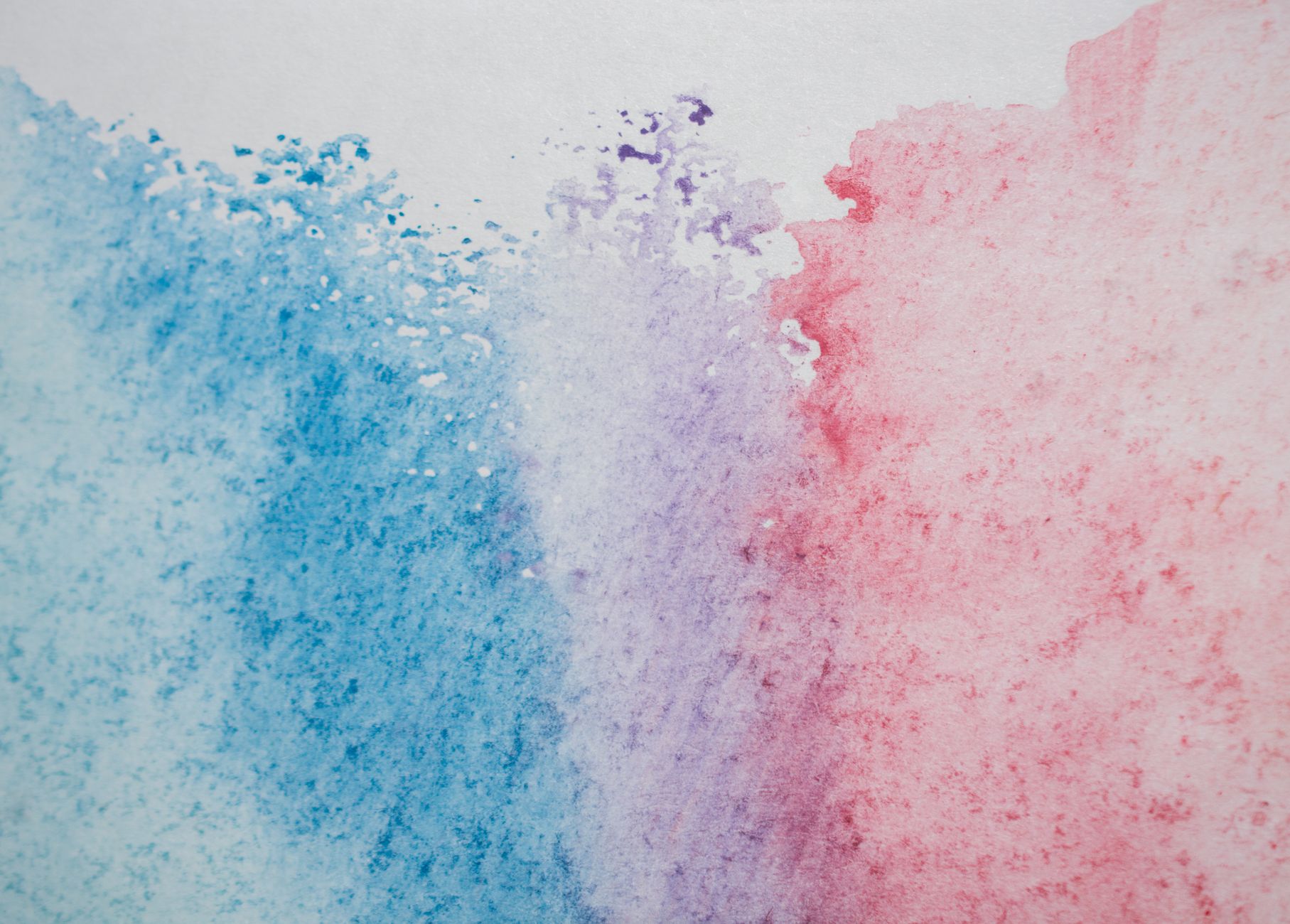
When I was younger, I fought the water. I would load a brush three times too heavy, and the wash would race down the paper like a mountain creek, and I'd try to dam it with more brushstrokes. It never worked. The result was mud. Now, I welcome the flood. The unmapped valley is where the painting earns its name.